When They Say No

If they will not wear a medical alert, do not make the choice all-or-nothing.

A pendant or watch can be excellent when someone will wear it. Puffin Guard is for the common gap: capable people who want independence and may not accept a wearable.

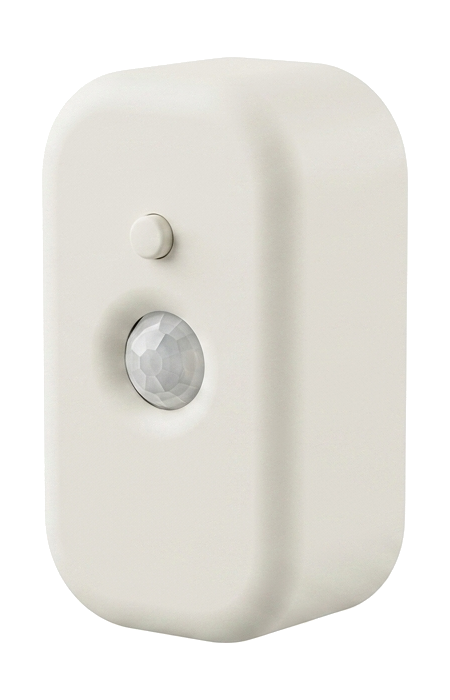
Puffin Guard sensor
No cameras No microphones No wearable Alerts trusted contacts

The Problem

The gap before care becomes necessary.

Pushing harder can damage trust. And if the pendant ends up in a drawer or on the charger overnight, the family may feel covered when they are not.

The Safety Net

A backup that does not change daily life.

Puffin Guard is placed in the home and forgotten about. It does not replace fall detection. It backs it up by making sure someone knows if normal daily movement does not happen.

Alert Flow

Quiet when life looks normal. Loud when someone should check.

Puffin Guard is not a live activity feed. It waits for the expected check-in window, gives your loved one a chance to respond, then escalates to the people they chose.

Everyday movement

The sensor notices normal movement in a hallway, living room, or kitchen. No cameras, microphones, or wearable devices.

Scheduled check-in

Most of the time it sleeps. On the chosen schedule, usually daily, it connects over WiFi and sends the latest check-in.

Person first

If expected movement is missing, Puffin Guard sends an SMS and makes a phone call. If they check in, everything resets silently.

Trusted contacts

If they cannot respond within the grace period, family, friends, neighbours, or carers are alerted by SMS, email, and phone call.

Is It Right?

Built for capable people who want a backup, not monitoring.

Puffin Guard sits in the gap between doing nothing and full care. It is for families who want someone to know if normal daily movement stops, without making home feel watched.

Good fit

  • Your parent or loved one is still capable and living independently.
  • They do not want cameras, microphones, wearables, or daily reporting.
  • You want a quiet safety net in case they do not wake up, have a fall, or cannot reach their phone.
  • They already have a fall watch or pendant, but sometimes forget to wear it or charge it.
  • You want family or trusted contacts notified, not automatic emergency services.

Not the right only solution

  • They need immediate fall detection or urgent emergency response.
  • They need 24/7 professional monitoring or clinical care.
  • The home has no reliable WiFi or trusted contacts who can respond.
  • You need live activity tracking, room-by-room reports, or a camera feed.
  • They are not aware of, or do not consent to, having the sensor in their home.

Useful for

  • Parents who reject pendants, necklaces, or fall watches
  • Families who want a respectful alternative to daily check-ins
  • A backup for the hours when a watch is charging or not being worn
  • People who are capable but want a just-in-case safety net

Not designed for

  • Replacing a wearable that someone is willing to use
  • Immediate fall detection after impact
  • Situations where professional care is already needed

A private safety net for someone who still wants independence.

One small sensor. No cameras or wearables. Family only hears when something may be wrong.

See Puffin Guard Sensor
A private safety net they'll accept Get Started