Free checklist

The Parent Living Alone Safety Checklist

Work out the gap: if something happened tonight, when would someone know?

Practical questions No panic selling Mostly public on this page

Free checklist

Send the checklist to yourself

Keep the questions handy while you compare calls, texts, wearables, cameras, neighbours, and quiet safety nets.

Use your own email. We will send the checklist to you.
Who are you planning for?
Optional. It helps us understand who the checklist is helping.

This is not about taking over your parent's life. It is about making the plan clear enough that everyone knows what happens if the usual check-ins fail.

1

How often is someone currently checking in?

Write down what actually happens now, not what everyone means to do. Include phone calls, texts, visits, neighbours, regular appointments, and any app reminders.

  • Who would usually notice first?
  • What time of day would they notice?
  • Does the plan still work on weekends, holidays, or busy weeks?
2

What happens if they do not answer?

A missed call or text is only useful if everyone knows what happens next. Decide how long you wait, who tries again, and when someone checks in another way.

  • How many missed calls is normal?
  • Who has a key, a door code, or permission to ask a neighbour?
  • At what point does someone go there or call emergency services?
3

What if their phone is flat, out of reach, or ignored?

Many safety plans quietly depend on the phone being nearby and charged. Think through the ordinary failures before you rely on them.

  • Do they carry their phone around the house?
  • Do they hear it from the bedroom, bathroom, or garden?
  • Would they answer an unknown number?
4

What if they will not wear a pendant or watch?

Wearables can be very useful when someone accepts them. They are weaker when they are left on the charger, placed in a drawer, or refused because they feel like a loss of independence.

  • Would they wear it overnight?
  • Would they remember to charge it?
  • Would they press a button if they felt embarrassed or unsure?
5

What would they accept without feeling watched?

The best safety plan is the one your parent will actually live with. If the plan makes home feel watched, they may reject it or work around it.

  • Would they accept cameras? Many capable people will not.
  • Would they accept a daily text? Maybe, but not always forever.
  • Would they accept a quiet sensor if it did not record video, audio, or daily activity?
6

If something happened tonight, when would someone know?

This is the number to get clear. If the answer is "tomorrow afternoon", "after the weekend", or "only when someone gets worried", the gap may be larger than it feels.

You do not need a perfect system. You need a plan that makes the gap visible and closes it enough for your family.

Conversation starter

A calmer way to raise it

Try starting with the gap, not the product.

"I am not trying to take over. I just want us to have a clear plan for what happens if you do not answer and nobody has heard from you. Can we work out when someone would know something is wrong?"
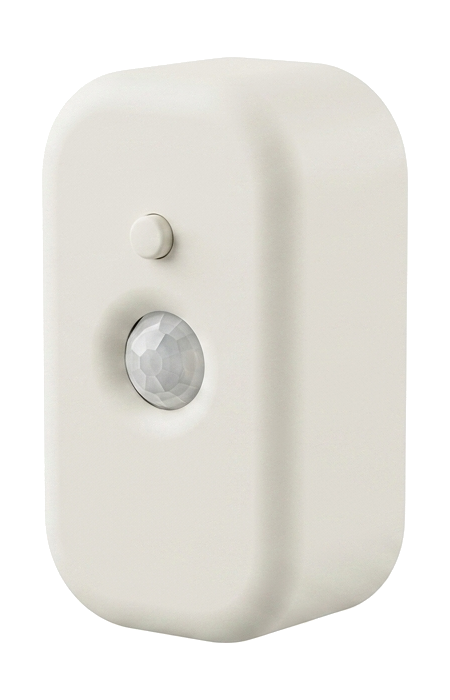
Puffin Guard sensor

Where Puffin Guard Fits

For independent people who want privacy, but where someone should know if normal movement stops.

Puffin Guard is a quiet safety net. It is for independent older adults who are mostly managing, value privacy, and do not want cameras, microphones, or wearable devices.

It is not a fall detector, pendant, camera, microphone, replacement for emergency care, or the right fit for someone who needs immediate medical response or 24/7 supervision.

See the daily check-in alternative

Free checklist

Send yourself the checklist

Use your own email and keep the questions handy for the next family conversation.

Use your own email. We will send the checklist to you.
Who are you planning for?
Optional. It helps us understand who the checklist is helping.
A private safety net they'll accept Get Started